Source adjustable eye necklace connector for Jewelry Making, Repair, and Custom Design
Explore 30 listings for adjustable eye necklace connector options from verified Chinese suppliers. Buyers can compare specifications, plating types, and pricing to find the right connectors for necklace making, repair, and custom design projects.
Key considerations
Products List




Comprehensive Sourcing Guide
Strategic Sourcing Guide for Adjustable Eye Necklace Connectors
The global market for jewelry findings continues to evolve, with a specific demand for functional components that enhance design versatility. Among these, the adjustable eye necklace connector stands out as a critical hardware element for both mass-market and bespoke jewelry manufacturers. Sourcing this component requires a disciplined approach that balances technical precision, regulatory compliance, and supply chain reliability. This guide provides a comprehensive framework for buyers to navigate the procurement landscape, focusing on verified product attributes, supplier evaluation criteria, and quality assurance protocols based on current industry data.
Technical Specifications and Component Variability
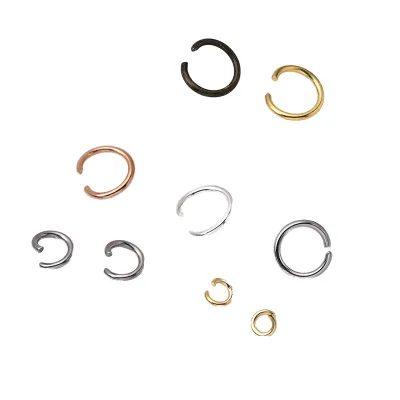
When evaluating adjustable eye necklace connectors, buyers must first distinguish between the specific mechanical designs and material compositions available in the market. The term "adjustable" often implies a spring-loaded mechanism or a sliding ring system that allows the wearer to modify the necklace length dynamically. Based on observed product data, these components frequently appear in specific configurations, such as the "Open Ring" style or specialized connectors designed for necklace assembly.
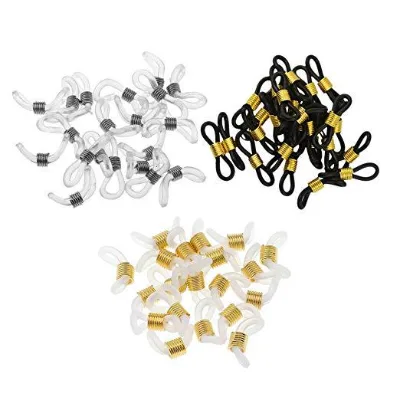
Material selection is a primary technical differentiator. Available options include stainless steel variants with dimensions ranging from 0.4mm to 1.2mm in thickness, often finished with gold, silver, or bronze plating. Other variations utilize silicone and spring combinations, offering a dual-tone aesthetic where silver or gold springs are paired with white or black silicone. The physical dimensions are critical for compatibility with existing jewelry designs. For instance, specific models are documented with a size of 20mm, while others may have a gross weight per batch of 0.090 kg or a single unit weight as low as 0.001 kg.
The packaging specifications also provide insight into the manufacturing scale. Some units are sold as single items with a minimal package size of 1x1x1 cm, while others are packaged in batches of 300 units with larger dimensions of 4x6x1 cm. Buyers should verify the "Selling Units" metric, as some suppliers require orders in multiples of 300, whereas others offer single-item purchasing. Understanding these physical constraints is essential for inventory planning and logistics coordination.
Compliance, Certification, and Regulatory Standards
For B2B procurement, particularly in the jewelry sector, compliance with international standards is non-negotiable. While specific product listings may claim adherence to various standards, buyers must independently verify these claims. The supply chain data indicates that some manufacturers hold certifications such as CE, ISO9001, and CNAS Certification. These certifications suggest a commitment to quality management systems and product safety, which is vital for importing goods into regulated markets like the European Union or North America.
However, it is crucial to treat these certifications as observations of specific supplier capabilities rather than universal attributes of all adjustable eye necklace connectors. A buyer should not assume that every listed product carries these credentials. Instead, the procurement strategy must include a verification step where the supplier provides valid, up-to-date certificates for the specific batch being ordered. The "prod_standard" field in product data sometimes lists "customized" or specific weight standards like "10g," which requires clarification to ensure the component meets the intended application's durability requirements.
Furthermore, the "Main Business" of a supplier often reveals their expertise. Companies listing rings, pendants, cufflinks, and necklaces as their primary focus are more likely to have robust quality control processes for findings than general hardware traders. Buyers should prioritize suppliers whose business scope aligns closely with jewelry findings to ensure they possess the necessary technical knowledge and compliance infrastructure.
Cost Drivers and Pricing Dynamics
The pricing of adjustable eye necklace connectors is influenced by a complex interplay of factors, including material costs, plating quality, order volume, and customization requirements. The observed price range in the market spans from $0.02 to $100, a variance that reflects the difference between basic mass-produced findings and high-end, custom-engineered components.
Several key drivers impact the final unit cost. First, the plating material is a significant factor. Gold-plated, silver-plated, and rhodium-plated options command different price points based on the thickness of the plating and the market price of the precious metals. Second, the inclusion of additional materials, such as silicone or specific spring mechanisms, adds to the manufacturing complexity and cost. Third, customization services, such as OEM design or custom branding, introduce additional expenses that are typically passed on to the buyer.
Minimum Order Quantity (MOQ) also plays a pivotal role in cost efficiency. While some suppliers offer an MOQ of 30 pieces, others may require orders up to 1000 units. The "Selling Units" attribute, often set at multiples of 300, can create a floor for the total investment. Buyers must calculate the cost per unit at different volume tiers to determine the most economical purchasing strategy. It is important to note that lead times, which can range from 20 to 35 days after deposit, may also influence pricing, as expedited shipping or rush orders often incur premiums.
Typical Applications and Design Integration
Adjustable eye necklace connectors serve a variety of functional and aesthetic purposes across different jewelry categories. The primary application is for necklace making, where these components allow for length adjustment without the need for additional chains or clasps. This functionality is particularly valuable for fashion jewelry, where trends change rapidly, and versatility is key.
The "Usage" attributes observed in the market extend beyond simple decoration. Some connectors are marketed for health or religious purposes, suggesting a niche application where the component must meet specific cultural or functional expectations. The "Suitable for" demographic data indicates that these components are designed for females, males, children, and the elderly, highlighting their versatility in unisex and family-oriented jewelry lines.
Design integration is another critical consideration. The "Style" of the connector, often described as "Simple" or "Fashion," must align with the overall aesthetic of the jewelry piece. For instance, a round shape with a silver finish might be ideal for a minimalist design, while a gold-plated spring with black silicone could suit a bold, contemporary look. Buyers should ensure that the "Color" options, which range from steel color to rose gold and various plating finishes, match the intended design palette. The "Main Stone" attribute, sometimes listed as "Other," suggests that these connectors are often used in conjunction with gemstones or other decorative elements, requiring precise sizing to ensure a seamless fit.
Supplier Evaluation and Selection Criteria
Selecting the right supplier is a critical step in the procurement process. Buyers should evaluate potential partners based on their geographic location, production capacity, and service offerings. The "Place Of Origin" data reveals that suppliers are located in regions such as Jiangxi, Guangdong, and Guangzhou in China, each known for specific strengths in the jewelry manufacturing sector.
Service capabilities are equally important. Suppliers offering "OEM&Custom Design Manufacture" provide a higher level of flexibility, allowing buyers to tailor the product to their specific brand needs. The "Shipping Way" options, including UPS, DHL, FedEx, TNT, and EMS, indicate the supplier's ability to handle international logistics efficiently. Buyers should verify the reliability of these shipping partners and the associated costs.
A thorough evaluation should also include an assessment of the supplier's "Main Business" focus. Companies that specialize in rings, pendants, and necklaces are more likely to have the necessary expertise and quality control measures for findings. Additionally, the "Customization" availability should be confirmed, as this can be a deciding factor for buyers seeking unique product offerings.
Quality Control and Long-Term Procurement Strategy
Ensuring consistent quality is paramount for maintaining brand reputation. Buyers should implement a rigorous quality control protocol that includes pre-shipment inspections and sample testing. Key quality indicators to verify include the integrity of the plating, the functionality of the spring mechanism, and the dimensional accuracy of the component. The "Single gross weight" and "Package size per batch" should be consistent across shipments to ensure logistical predictability.
For long-term procurement, building a strategic relationship with suppliers is essential. This involves clear communication regarding specifications, lead times, and quality expectations. The "Delivery Time" of 20-35 days after deposit should be factored into production schedules to avoid delays. Buyers should also consider the "Standard" requirements, ensuring that the product meets the specific needs of their market, whether that involves specific weight standards or customized finishes.
In conclusion, sourcing adjustable eye necklace connectors requires a meticulous approach that balances technical specifications, compliance, cost, and supplier reliability. By adhering to the guidelines outlined in this guide, buyers can navigate the complexities of the market and secure high-quality components that meet their design and business objectives. The key lies in thorough verification, clear communication, and a commitment to quality at every stage of the procurement process.
FAQs
What materials are used for adjustable eye necklace connectors?
Available materials include stainless steel, silicone, and spring mechanisms. Options feature combinations like silver or gold springs paired with white or black silicone, or steel variants with gold, silver, and bronze plating finishes.
Which certifications do suppliers typically hold for these findings?
Some manufacturers hold CE, ISO9001, and CNAS Certification. Buyers should verify these credentials directly as they are not universal attributes of all listed products and require independent validation for specific batches.
How does the MOQ affect the purchase of these connectors?
Minimum Order Quantities vary from 30 pieces to 1000 units depending on the supplier. Some vendors require orders in multiples of 300, while others offer single-item purchasing options for smaller inventory needs.
Can buyers request customization for these jewelry findings?
Yes, customization services including OEM design and custom branding are available from select suppliers. Buyers should confirm specific customization requirements with the manufacturer before placing an order to ensure design compatibility.
What is the typical lead time for delivery after deposit?
Delivery time typically ranges from 20 to 35 days after receiving the deposit. This timeframe should be factored into production schedules to avoid delays in the overall jewelry manufacturing process.
Which plating options are available for these connectors?
Plating options include Gold, Silver, Rhodium, and Bronze finishes. Specific models may also feature steel color, golden, or rose gold variations depending on the manufacturer and specific product line.
Where are the primary manufacturing locations for these items?
Products originate from regions in China including Jiangxi, Guangdong, and Guangzhou. These locations are known for jewelry manufacturing, though specific supplier locations must be verified during the sourcing process.